
Table of Contents
- Understanding Why Socket Spacer Material Safety Matters
- Fire Ratings and Heat Resistance: The Technical Standards
- Bespoke Plastic Spacers vs DIY Shims: A Safety Comparison
- Measuring and Installing Your Spacers Safely
- Why Choose SocketSpacers.com for Your Project?
Understanding Why Socket Spacer Material Safety Matters
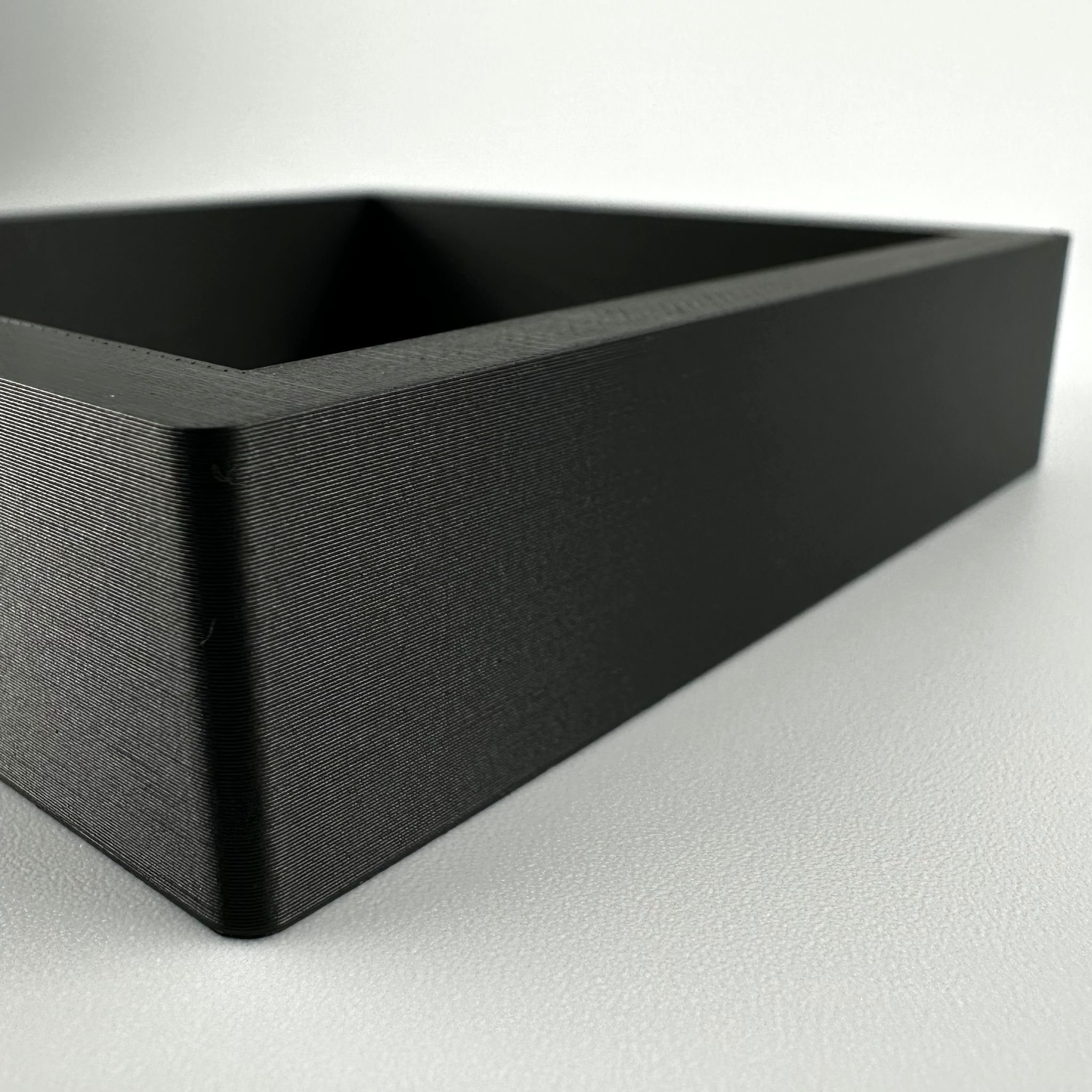
When renovating a room, details matter. After fitting new tiles, plastering, or installing decorative wall panels, you might find your electrical sockets and switches are no longer flush with the wall. They sit recessed in their backboxes, looking unfinished and potentially unsafe. An electrical socket spacer is a simple but crucial component designed to solve this problem, bridging the gap between the backbox and the faceplate to ensure a secure, professional finish.
But not all spacers are created equal. Whilst their primary function is mechanical, their most important characteristic is material safety. The material used is the final, and most overlooked, barrier against mechanical failure and electrical fire. Using an inappropriate material can compromise the entire installation. If you have a non-standard depth to fill and need a precise, safe solution immediately, you can design a custom-fit spacer using our Build My Spacer configurator tool.
- Defining the Role: A socket spacer is an extension frame that fits between the electrical backbox and the socket faceplate, bringing the faceplate forward to sit flush with the finished wall surface.
- The Risk of "Floating" Sockets: An unsecured socket puts strain on the wiring and the earth connection. It can move when plugs are inserted or removed, leading to loose terminals, arcing, and a serious fire hazard.
- The Critical Material Question: The spacer sits directly behind live electrical components. Its material must be non-conductive, structurally stable, and, most importantly, flame-retardant to comply with UK safety standards.
The Role of the Spacer in Electrical Integrity
A professionally manufactured spacer does more than just fill a gap. It restores the mechanical and electrical integrity of the installation, which is vital for long-term safety and performance.
- Mechanical Support: It provides a solid, flat surface for the faceplate to be screwed against, preventing it from flexing, cracking, or working loose over time. This is especially important for heavy or premium metal faceplates.
- Earth Connection Security: The earth connection is arguably the most important safety feature of a socket. A securely mounted faceplate ensures the earth wire is not strained, twisted, or loosened, maintaining a continuous and reliable path to ground.
- Enclosure Integrity: A correctly fitted spacer maintains the enclosure around the wiring, preventing dust, debris, or moisture from entering the backbox and interfering with the live components.
Common Scenarios Requiring Spacers
The need for a socket spacer is a common issue in many home improvement projects. If you find yourself in one of these situations, a bespoke spacer is often the only way to achieve a safe and visually perfect result.
- Fixing Recessed Sockets After Tiling: This is the most frequent scenario, particularly in kitchens and bathrooms. The thickness of tiles and adhesive can leave a backbox recessed by 10mm or more. Our guide on how to fix a socket too deep in a wall after tiling provides more detail on this common problem.
- Adjusting for Thick Wall Panelling: Decorative wood panelling, media walls, and acoustic panels add significant depth to a wall, making standard screw lengths insufficient and leaving sockets dangerously recessed.
- Creating Extra Wiring Space: Modern smart home devices, dimmer switches, and USB sockets often have larger modules that require more space than a standard backbox provides. A deep spacer can create this vital extra room safely.
Fire Ratings and Heat Resistance: The Technical Standards
When discussing electrical safety, the conversation must go beyond wiring. The components surrounding those wires play a critical role in preventing and containing fires. This is where the material of your socket spacer becomes paramount. Electrical faults, such as overloaded circuits or loose connections, can generate significant heat. The material used to extend the backbox must be able to withstand these high temperatures without igniting or melting.
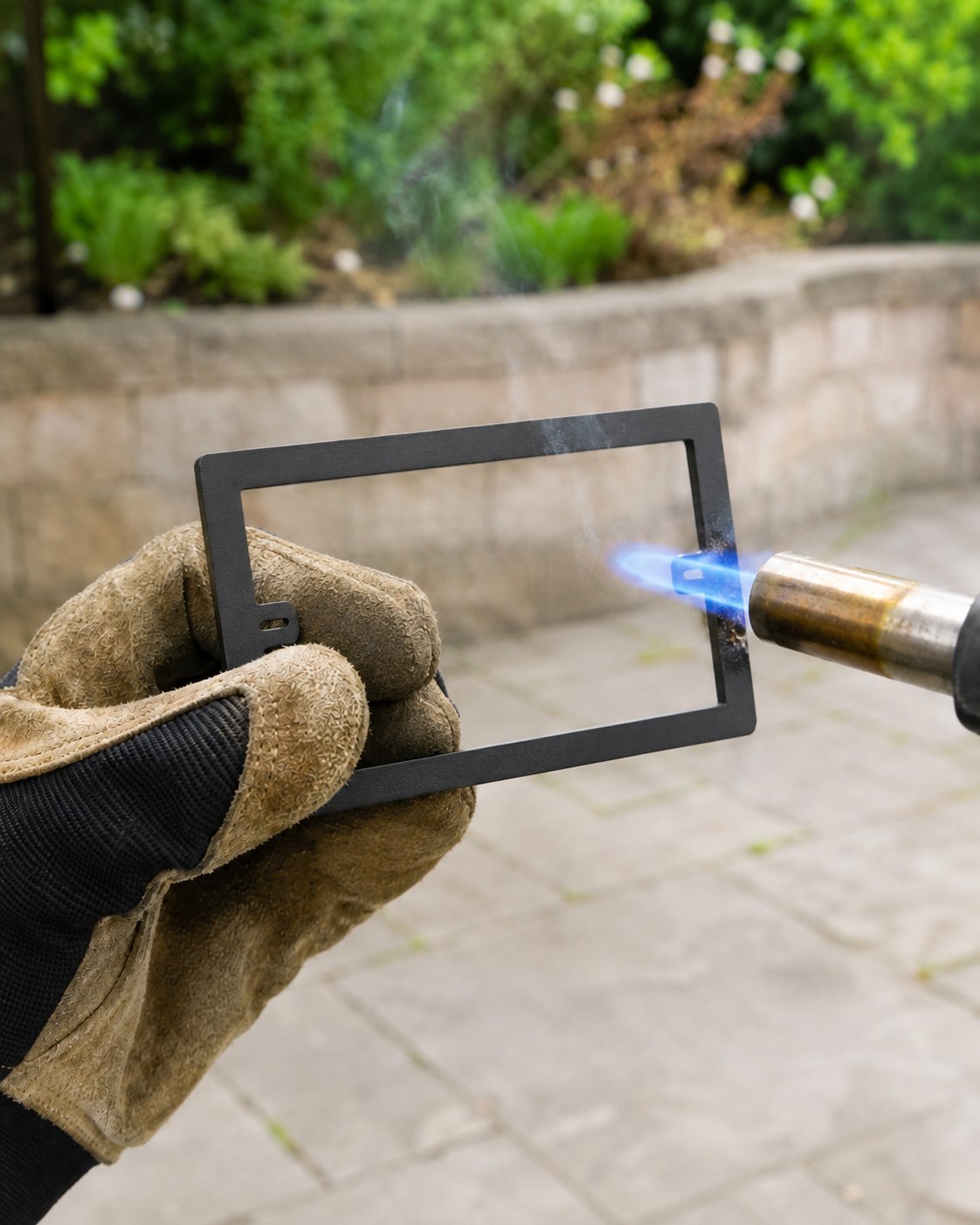
At SocketSpacers.com, we exclusively use a specialist grade of flame-retardant ABS (Acrylonitrile Butadiene Styrene). This thermoplastic is engineered for safety in electrical applications. Unlike standard plastics, it is designed to resist ignition and will self-extinguish if it does catch fire, preventing the spread of flames. This behaviour is a non-negotiable requirement for any component placed within the electrical enclosure.
- Flame-Retardant Properties: The key safety feature is a material's ability to stop burning once the heat source is removed. This prevents a small electrical fault from escalating into a major house fire.
- Thermal Stability: The material must not warp, melt, or become brittle when exposed to the normal operating temperatures of an electrical socket, or the higher temperatures of a fault condition. Flame-retardant ABS maintains its structural integrity across a wide temperature range.
- Compliance with British Standards: Although there isn't a specific British Standard for socket spacers themselves, their use falls under the principles of BS 7671 (The Wiring Regulations) and BS 4662 (for backboxes). These standards require the electrical enclosure to be complete and made of suitable materials that prevent fire propagation.
Flame-Retardant vs Flammable Materials
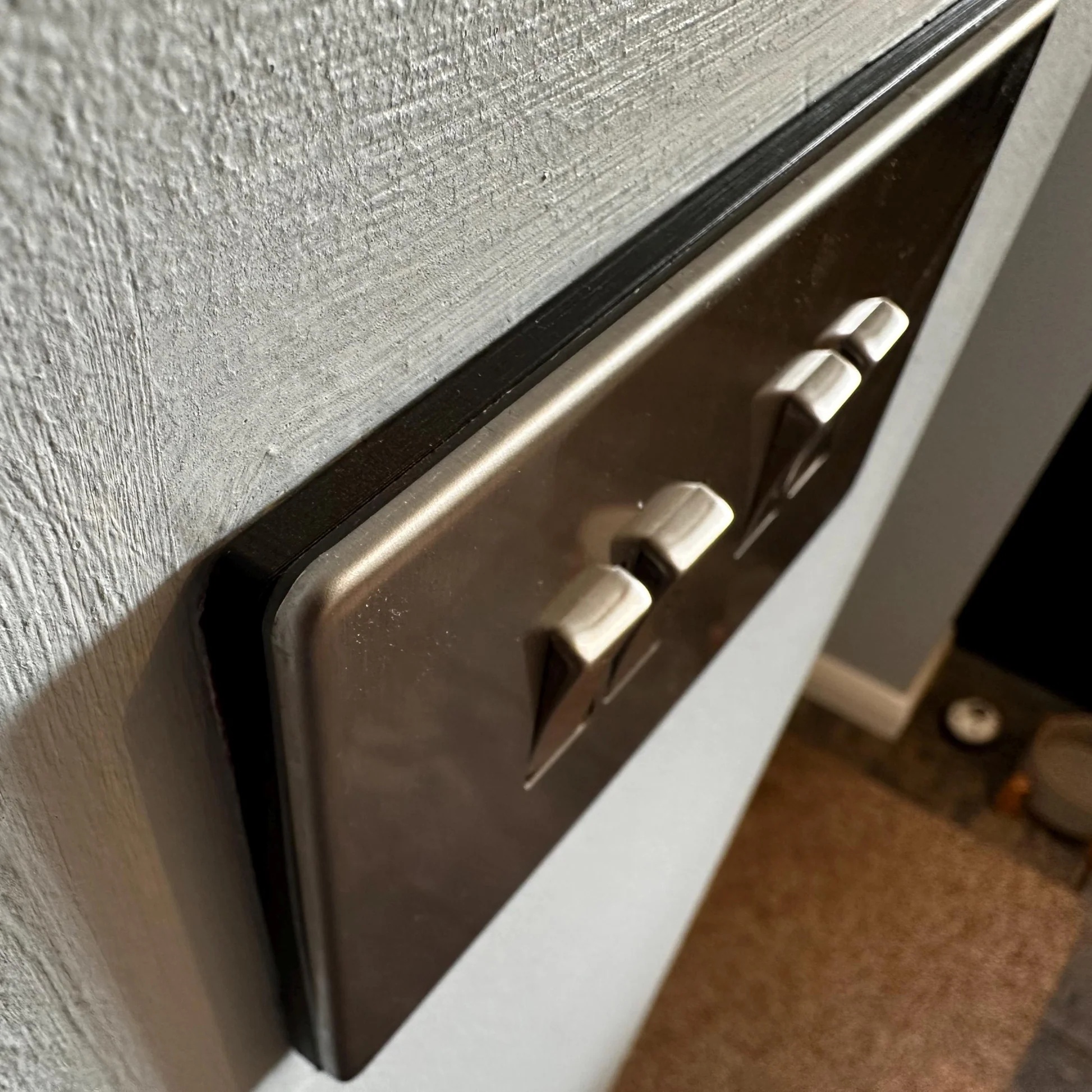
The rise of hobbyist 3D printing has led some to believe they can print their own electrical accessories. This is an extremely dangerous practice. The most common 3D printing filaments, such as PLA and PETG, are highly flammable and have low melting points. Using them for a socket spacer is a significant fire risk.
- The Danger of Standard Plastics: Materials like PLA, commonly used in home 3D printers, can ignite easily and will continue to burn and drip molten plastic, spreading fire to surrounding building materials. They offer none of the safety properties required for this application.
- How Professional-Grade Spacers Behave: Our flame-retardant ABS is specifically formulated to resist catching fire and to self-extinguish. This property is tested to ensure that in the event of a severe electrical fault, the spacer itself does not become fuel for a fire.
- Defining Flame Retardancy: A flame-retardant material is one that has been chemically treated or is inherently formulated to self-extinguish and inhibit the spread of flames once the initial ignition source is removed.
UK Regulations and Compliance
UK electrical regulations are designed to create a multi-layered system of safety. A key principle is the integrity of the enclosure surrounding live parts. Any modification or addition, including a spacer, must uphold this principle.
- BS 4662 and Enclosure Integrity: This standard applies to boxes for electrical accessories. It mandates that the enclosure must be robust and provide protection against electrical shock and fire. A spacer effectively becomes part of this enclosure, so it must be made from a material with comparable safety properties.
- Maintaining a Continuous Barrier: The spacer, backbox, and faceplate work together to create a continuous barrier around live wiring. Using a flammable or weak material like wood, cardboard, or standard 3D-printed plastic breaks this chain of safety.
- The Importance of Non-Conductive Materials: The spacer must be an electrical insulator. Our ABS material is non-conductive, ensuring that no electrical current can pass through it to the faceplate screws or surrounding wall, preventing the risk of electric shock.
Bespoke Plastic Spacers vs DIY Shims: A Safety Comparison
Faced with a recessed socket, it can be tempting to reach for a quick fix. Many online forums suggest using improvised shims made from washers, folded cardboard, or even scraps of wood. These "solutions" are not just unprofessional; they are dangerously unsafe. A comparison highlights why a bespoke, purpose-built spacer made from the correct material is the only responsible choice.
A professionally manufactured, single-piece spacer provides a level of structural integrity and safety that a stack of improvised shims can never match. The even distribution of pressure and the precise fit eliminate the risks associated with DIY methods. Our Build My Spacer tool allows you to specify the exact dimensions you need, ensuring a perfect, safe fit that DIY shims simply cannot replicate.
For a deeper dive into this topic, see our article comparing a professional socket spacer vs a DIY shim.
The Dangers of Improvised Spacers
Using household materials as electrical spacers introduces multiple failure points into a critical safety system. The risks far outweigh any perceived convenience.
- Flammable Materials: Cardboard and wood are combustible. Placing them directly behind an electrical socket, a known source of potential heat and sparks, is a serious fire hazard. They violate the fundamental principle of using flame-retardant materials for electrical enclosures.
- Mechanical Instability: Soft materials like cardboard or layered plastic will compress over time as the faceplate screws are tightened. This leads to a loose socket, placing strain on the wiring and creating a risk of arcing.
- Cracked Faceplates: Uneven shims or stacked washers create pressure points on the back of the faceplate. When the screws are tightened, this uneven pressure can easily crack brittle faceplates, especially those made from modern materials or premium metals.
Advantages of Bespoke Manufacturing
Choosing a bespoke spacer made from flame-retardant ABS provides peace of mind and a superior finish. It is an engineered solution designed specifically for the task.
- Precision Fit for Any Configuration: Whether you have a single socket, a double gang switch, or a complex multi-gang media plate, a bespoke spacer is manufactured to your exact dimensions for a perfect perimeter fit.
- Consistent Depth and Support: A single-piece spacer ensures the faceplate is supported evenly across its entire area. This guarantees a flush finish with no flexing or rocking, maintaining the stability of the installation for years to come.
- Simplicity and Speed of Installation: Fitting a single, perfectly sized spacer is far quicker and easier than trying to align multiple small, fiddly shims. It saves time for both professional electricians and DIY enthusiasts and ensures a consistently reliable result.
Measuring and Installing Your Spacers Safely
Achieving a safe and professional finish starts with accurate measurement. Because our spacers are made to order, precision is key. Taking a few moments to measure correctly ensures your spacer will fit perfectly, providing a secure and flush mount for your socket or switch.
Crucially, before you begin any measurement or installation work, you must isolate the power to the relevant circuit at your consumer unit (fuse box). Use a voltage tester to confirm there is no power at the socket before proceeding. If you are in any doubt, consult a qualified electrician.
- Step-by-Step Measurement: Follow a clear process to determine the exact depth of spacer required for a flawless result.
- Correct Screw Length: Using the right screws is essential for a secure fixing. Standard 3.5mm electrical screws may be too short; you will need longer ones to account for the spacer's depth.
- Safety First: Never attempt to adjust electrical fittings without first ensuring the circuit is completely dead. Safety must always be the number one priority.
How to Calculate the Required Spacer Depth
The goal is to measure the distance from the front edge of the metal backbox to the face of the finished wall. This measurement is the depth of the spacer you need.
- Measure from Backbox to Wall Surface: Place a straight edge (like a ruler or spirit level) across the hole in the wall. Measure the distance from the front face of the metal backbox to the underside of your straight edge. Do this at several points to check for consistency.
- Account for the Faceplate Lip: Most socket faceplates have a small lip that sits inside the backbox. A bespoke spacer is designed to accommodate this, so you do not need to subtract this from your measurement. Simply measure from the backbox edge to the wall surface.
- The "Measure Twice, Order Once" Rule: For any bespoke manufactured part, it is vital to double-check your measurements before ordering to ensure a perfect fit first time. For a detailed guide, please read our article on what size socket spacer you need.
Installation Best Practices
Once your custom spacer arrives, fitting it is a straightforward process. Following these best practices will ensure the installation is safe and secure.
- Check for Pinched Wires: When positioning the spacer and re-fitting the socket, ensure that no wires are trapped between the spacer, the backbox, or the wall. All wiring should be contained neatly within the backbox.
- Maintain Earth Flylead Integrity: Ensure the earth wire connecting the backbox to the faceplate (the earth flylead) is intact and securely connected at both ends. This connection must not be strained or damaged during installation.
- Verify Secure Anchoring: After tightening the new, longer faceplate screws, gently try to move the socket. It should be completely solid and unable to move. A secure faceplate is a safe faceplate.
Why Choose SocketSpacers.com for Your Project?
When it comes to electrical work in your home, there should be no compromise on safety or quality. SocketSpacers.com was founded to provide a professional, reliable, and safe solution to the common problem of recessed backboxes. We reject the dangerous DIY "hacks" and provide an engineered product that gives both homeowners and electricians confidence in their installations.
Our commitment to safety is reflected in our choice of material: every spacer we produce is made from high-grade, flame-retardant ABS plastic. This ensures our products not only solve the aesthetic issue of a sunken socket but also meet the high safety standards required for UK electrical installations. The precision of our bespoke manufacturing process guarantees a perfect fit, every time.
- Safety-Focused Material: We use flame-retardant ABS to ensure every spacer helps maintain the fire safety of your electrical system.
- Bespoke for a Perfect Finish: Our easy-to-use Build My Spacer configurator allows you to order a spacer to the exact depth you need, from a few millimetres to several centimetres.
- Versatile Solutions: We manufacture spacers for single, double, and complex multi-gang configurations, providing solutions for everything from a simple light switch to a comprehensive media wall installation.
- Precision and Quality: Every order is custom-made in the UK, ensuring a high-quality product that provides a robust, single-piece solution for a professional finish.
Bespoke Solutions for Every Room
No two renovation projects are the same. That is why off-the-shelf solutions often fail to provide the perfect fit. We can create custom spacers for any application in your home.
- Custom Orders for Any Finish: Whether you are dealing with thick kitchen splashbacks, period-style wood panelling, or a modern media wall, we can manufacture a spacer to the precise depth required.
- Support for Non-Standard Fittings: We regularly produce surrounds for multi-gang switches, cooker isolators, and other non-standard electrical fittings. Check out our guide to double gang socket spacers for more information.
Trusted by DIYers and Professionals Alike
Our products are designed to be simple enough for a competent DIYer to use, yet robust enough to meet the high standards of professional electricians. The quality of our solutions and the precision of the finish they provide have earned us the trust of many customers.
- Positive Customer Feedback: The products we manufacture for our parent company, 2d6 Ltd, have received excellent customer reviews, with users praising the quality and problem-solving nature of our bespoke spacers.
- The Value of a Professional Finish: In high-end renovations and development projects, small details make a big difference. A perfectly flush socket is a mark of quality craftsmanship that clients and homeowners appreciate.
- Final Call to Action: Stop compromising with unsafe shims or wobbly sockets. Order your custom, fire-safe spacers today at SocketSpacers.com for a professional and secure finish.
Frequently Asked Questions (FAQs)
Are plastic socket spacers fire-rated for UK use?
Not all plastic spacers are safe. It is essential to use a spacer made from a specialist flame-retardant plastic, such as the ABS we use. This material is designed to self-extinguish and prevent the spread of fire, aligning with the safety principles of UK electrical regulations like BS 7671.
Can I use wooden spacers behind an electrical socket?
No, you should never use wood or any other combustible material like cardboard or paper as a spacer. These materials are a serious fire hazard when placed near electrical wiring and do not comply with safety standards.
What material is safest for extending a recessed backbox?
The safest material is a high-quality, flame-retardant thermoplastic engineered for electrical applications. We use a specific grade of flame-retardant ABS because it offers excellent thermal stability, is non-conductive, and will self-extinguish in the event of a fire.
Can I 3D print my own socket spacer?
We strongly advise against this. Standard 3D printing filaments like PLA and PETG are flammable and have low melting points, making them completely unsuitable and dangerous for this purpose. A professionally manufactured spacer is made from a certified flame-retardant material for safety.
Do socket spacers comply with UK Building Regulations?
When made from a suitable flame-retardant, non-conductive material, a socket spacer helps an installation comply with the safety requirements of the Building Regulations and BS 7671 (The Wiring Regulations) by maintaining the integrity of the electrical enclosure.
Will using a spacer affect the earthing of my socket?
A correctly installed, single-piece spacer will not negatively affect the earthing. In fact, by providing a solid mounting for the faceplate, it helps protect the earth connection from mechanical strain, ensuring it remains secure.
Can I stack multiple spacers if one is not deep enough?
We do not recommend stacking spacers. Each joint creates a potential point of weakness. A single, bespoke spacer manufactured to the exact required depth provides a much more stable and secure mechanical fixing for the faceplate.
What happens if I use a flammable material as a spacer?
Using a flammable material like wood, cardboard, or standard plastic creates a direct fuel source next to a potential ignition point. An electrical fault, such as arcing from a loose wire, could easily ignite the material, leading to a serious house fire.
Electrical Safety
Always isolate the circuit and confirm it is dead before removing a socket or switch faceplate. Only carry out the work if you are competent to do so. If you find damaged wiring, signs of overheating or anything unsafe, stop and contact a qualified electrician.