
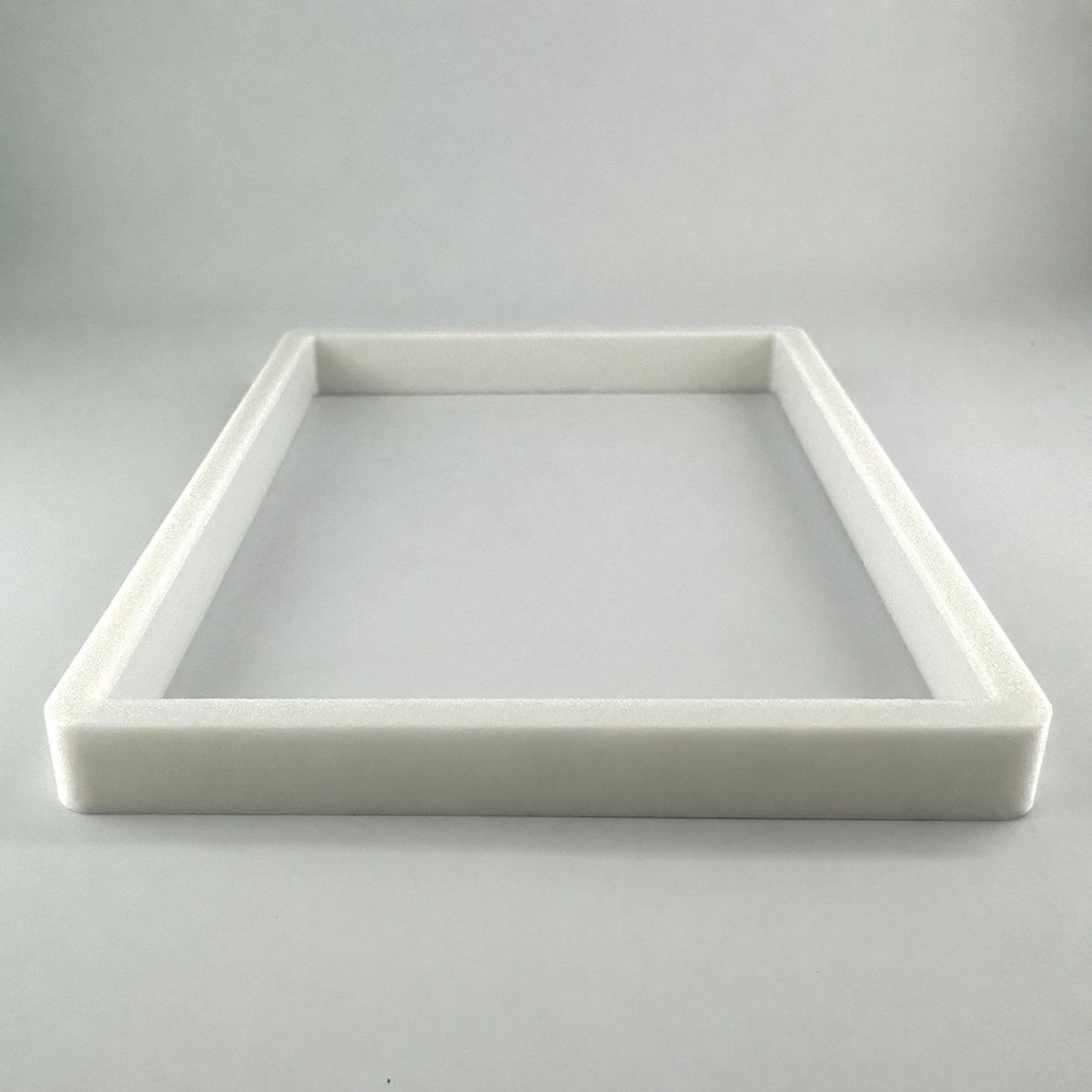
In high-end construction and refurbishment projects, the final details separate a good job from an exceptional one. Yet, it is often these small details that present the most significant challenges. For electricians and installers, one of the most common frustrations is fitting multi-gang sockets or switches onto walls with non-standard finishes like deep tiling, decorative panelling, or thick plaster. When an electrical backbox is recessed too far, standard solutions often fail, leading to compromised safety, a poor finish, and wasted time.
This is particularly true for large or complex faceplates, where standard single-gang spacers are simply not fit for purpose. The solution lies in custom-made components designed for the exact requirements of the job. This case study explores the challenges of non-standard installations and demonstrates how bespoke large extension frames provide the definitive professional solution, ensuring a secure, flush, and aesthetically perfect result every time. For those facing this issue now, the Build My Spacer tool offers a direct path to a precision-fit solution.
Table of Contents
- The Challenge of Non-Standard Electrical Installations
- Technical Specifications of Bespoke Large Extension Frames
- Case Study: The Multi-Gang Media Wall Project
- Designing Your Solution with Build My Spacer
- Why Bespoke Frames are the Professional Choice
The Challenge of Non-Standard Electrical Installations
Modern interior design trends often involve textured or layered wall surfaces. From bespoke media walls with intricate panelling to kitchen splashbacks with luxury tiles, these finishes add depth and character but create practical problems for electrical second-fixing. The standard depth of a pattress box is calculated for a simple plaster skim, not for an additional 20mm of stone or wood.
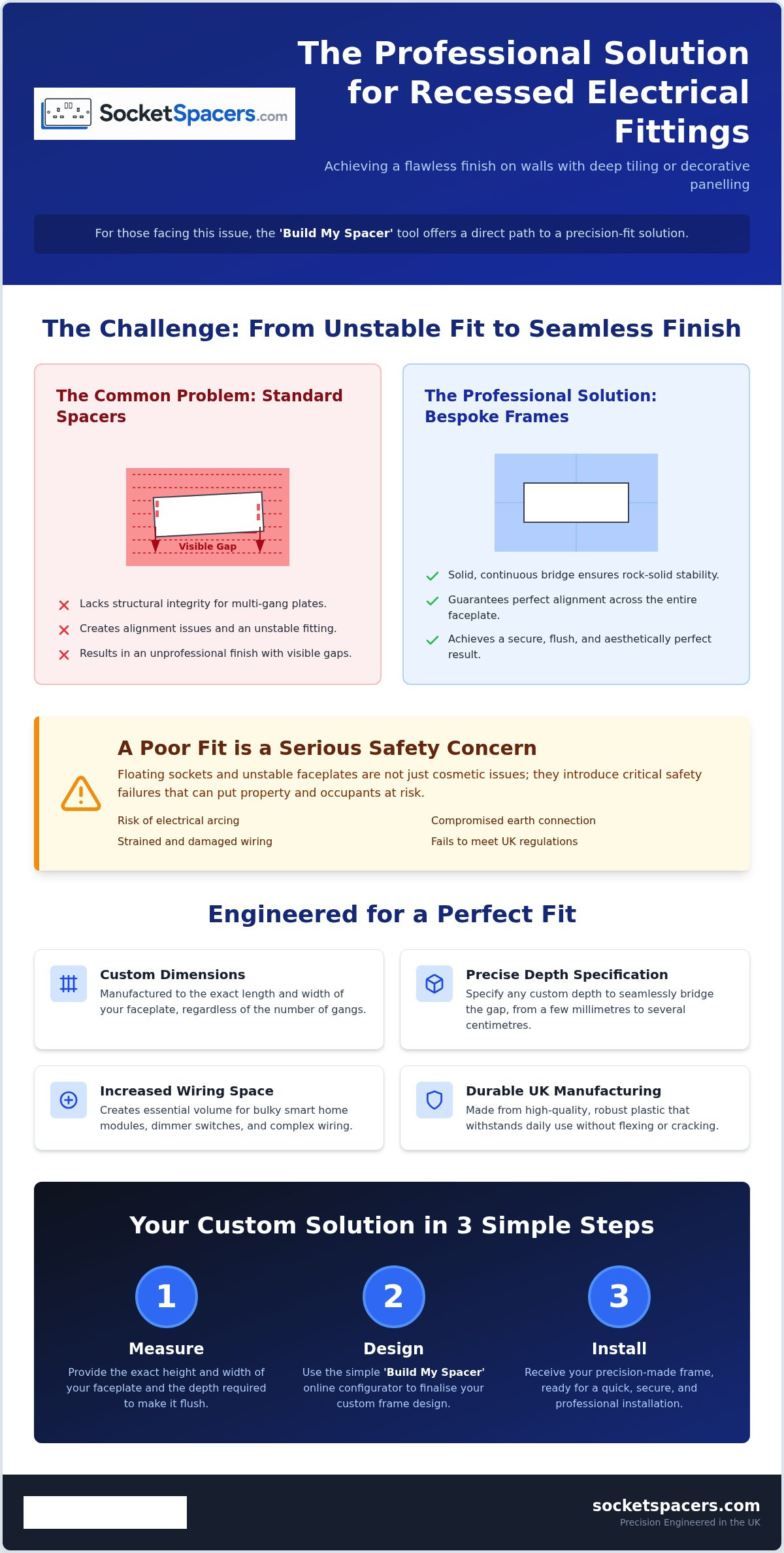
- Standard electrical spacers and extenders often fall short when dealing with multi-gang configurations or bespoke faceplates, as they are typically designed for single or double-gang applications only.
- Tiled walls and decorative panelling frequently leave backboxes recessed too deeply for standard screws to reach the faceplate, creating an unstable fitting.
- Floating sockets, where the faceplate is not securely anchored to the backbox, are a significant safety hazard and look unprofessional in high-end projects.
- Bespoke large extension frames provide a solid, continuous bridge between the backbox and the faceplate, eliminating instability and ensuring a perfect alignment.
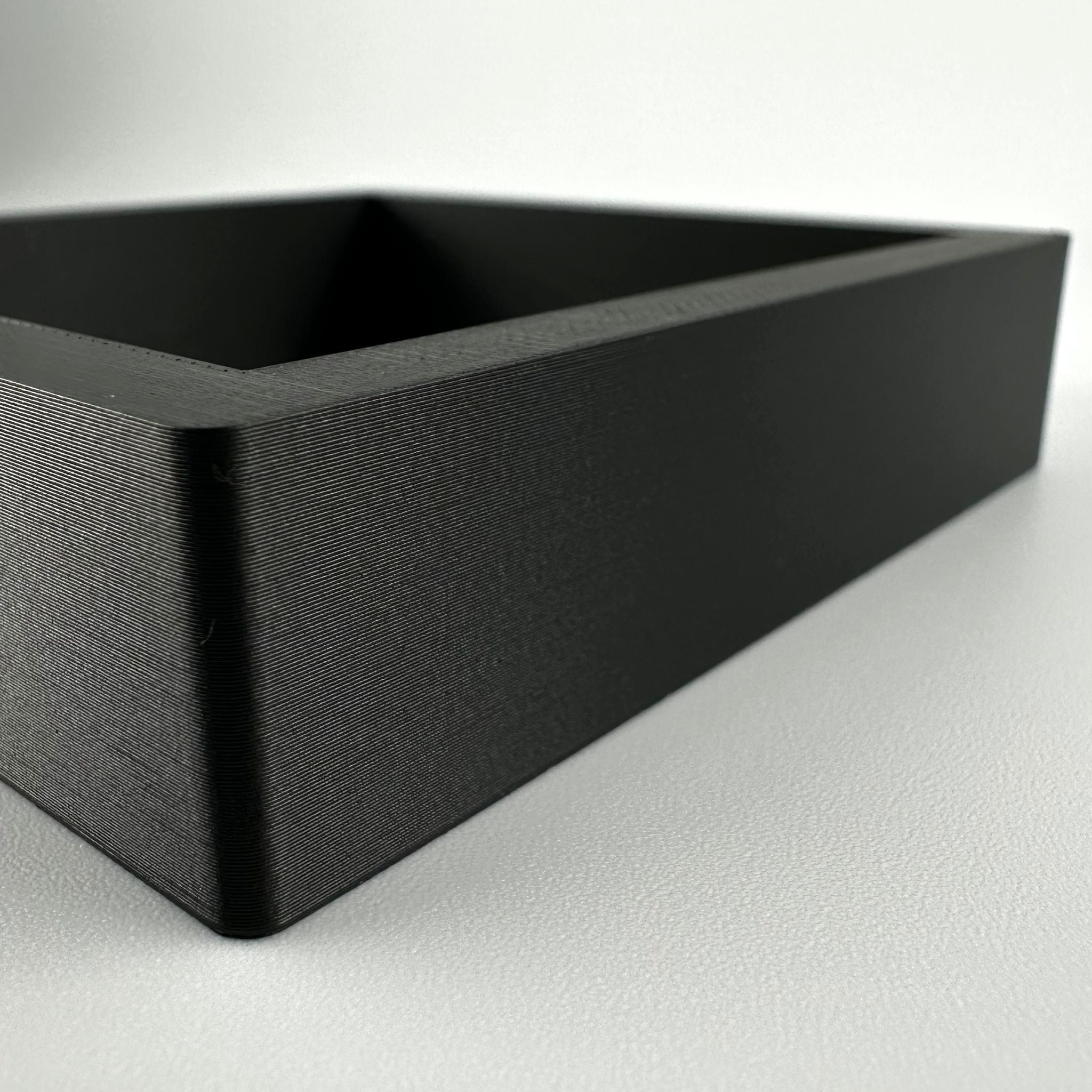
Why Standard Spacers Fail Large Projects
When an electrician encounters a deeply recessed backbox, the first instinct might be to reach for off-the-shelf spacers. However, for multi-gang installations, this approach is fundamentally flawed. Standard spacers are small, individual units that lack the structural integrity and surface area to support heavy or wide metal faceplates, such as those used for grid switches or media panels. Attempting to stack multiple thin spacers is a recipe for disaster; it introduces instability, creates alignment issues between gangs, and makes it nearly impossible to achieve a level finish across a long faceplate. The aesthetic impact is also significant, as using mismatched or stacked shims can create visible gaps and an unprofessional look on a high-specification installation.
The Safety Implications of Recessed Sockets
A poorly fitted socket is more than just a cosmetic issue; it is a serious safety concern. When a faceplate is not securely mounted, it can lead to several dangerous situations. There is an increased risk of arcing if wires are strained or become loose because the faceplate is "floating" away from the backbox. Furthermore, maintaining a secure and continuous earth connection is difficult with an unstable fitting, which is a critical failure of electrical safety. All electrical work in the UK must comply with regulations that mandate secure mounting of all accessories. Using makeshift solutions like stacked washers or bits of plastic not only looks unprofessional but may also fail to meet these essential safety standards, putting both the property and its occupants at risk.
Technical Specifications of Bespoke Large Extension Frames
Unlike generic, one-size-fits-all solutions, bespoke large extension frames are engineered to solve specific on-site problems with precision. They are not merely packers; they are custom-manufactured components that become an integral part of the electrical installation, guaranteeing a secure and professional finish.
- Our frames are manufactured in the UK using high-quality, durable plastic, designed to match the exact length and width of your specific faceplate, regardless of the number of gangs.
- Custom depths, specified by you, allow for a precise fit, seamlessly bridging the gap no matter how deep the backbox is buried behind tiles, panels, or plaster.
- The frames provide essential additional wiring space, a critical feature for accommodating bulky smart home modules, dimmer switches, and complex wiring configurations. For a deeper dive into this topic, see our guide on how to achieve increased wiring space behind sockets safely.
- Durability is ensured through robust manufacturing techniques, creating a solid frame that withstands the daily use of plugging and unplugging cables without flexing or cracking.
Material Integrity and Professional Finish
One of the primary objections to using a spacer is the fear that it will look like a cheap, plastic afterthought. Bespoke manufacturing overcomes this by offering a level of customisation that generic alternatives cannot match. We offer a range of colour and texture options to ensure the frame blends seamlessly with the wall, the socket, or the switch faceplate. Because each frame is made to order, the tolerances are far superior to those of moulded, mass-produced spacers. This precision is key to achieving the perfectly flush finish demanded in high-end interior design projects, where even the smallest gap or misalignment can detract from the overall quality of the work.
Solving the Wiring Space Dilemma
Modern electrical installations are becoming increasingly complex. The rise of smart homes means that electricians are often fitting smart switches, dimmers, and other modules behind the faceplate. These components, along with the extra cabling for multi-way lighting controllers, require significantly more room than a standard backbox provides. A bespoke large extension frame is the ideal solution. By extending the depth of the backbox, it creates the necessary volume for complex wiring without struggle. This not only makes the second-fix installation easier and faster for the installer but also reduces the risk of pinching or damaging wires when securing the faceplate, ensuring a safer and more reliable connection.
Case Study: The Multi-Gang Media Wall Project
To illustrate the practical benefits of a custom solution, consider a recent project we supplied. An installer was building a bespoke six-gang media wall unit, which included sockets, HDMI ports, and USB outlets. The entire unit was recessed behind 25mm of decorative wooden panelling, a common feature in modern living rooms.
- The project involved a bespoke six-gang media faceplate, for which no standard extender or spacer was available on the market.
- The installer required a single, cohesive frame to ensure all six gangs remained perfectly aligned and level across the long horizontal plate.
- Standard extenders were unavailable for this specific multi-gang configuration, and attempting to use individual spacers would have been impossible to align correctly.
- The bespoke solution saved the electrician hours of potential on-site fabrication and provided a far superior finish than any makeshift alternative could have achieved.
Project Requirements and On-Site Challenges
The primary challenge was the 30mm of total extension needed to bring the faceplate flush with the final panelled surface. The six-gang faceplate was a single piece of high-quality brushed chrome, and the client’s expectation was a seamless look with no visible gaps. Aligning six individual spacers for such a long unit would have been a near-impossible task, risking a bowed or misaligned faceplate. The weight of the metal plate and the connected cables also demanded a solid mounting surface that individual shims could not provide. The installer needed a solution that was both structurally sound and aesthetically perfect.
The Result: A Precision-Fit Solution
Using our online configurator, the electrician specified the exact dimensions of the six-gang plate and the required 30mm depth. We manufactured a single, monolithic extension frame that matched these specifications perfectly. The bespoke frame provided a single, flat, and stable mounting surface for the entire unit. The feedback from the electrician was overwhelmingly positive; the final fit was simple, fast, and secure. For the homeowner, the aesthetic outcome was exactly what they had envisioned: a perfectly flush, professionally installed media unit with no compromises. The bespoke frame transformed a complex problem into a straightforward task.
Designing Your Solution with Build My Spacer
The power of bespoke manufacturing lies in its ability to deliver a perfect-fit component without the need for on-site adjustments or compromises. Our process is designed to be simple, fast, and accurate, eliminating the guesswork often associated with non-standard installations.
- The Build My Spacer tool allows you to enter the exact dimensions required for your project, directly from your browser.
- You can choose from single, double, or complex multi-gang layouts in a variety of depths, tailored to your specific needs.
- The configurator provides an instant preview of your bespoke large extension frame, so you can see exactly what you are ordering.
- This streamlined process ensures the part arrives on-site ready for immediate installation, saving valuable time and labour costs.
Step 1: Measuring for Success
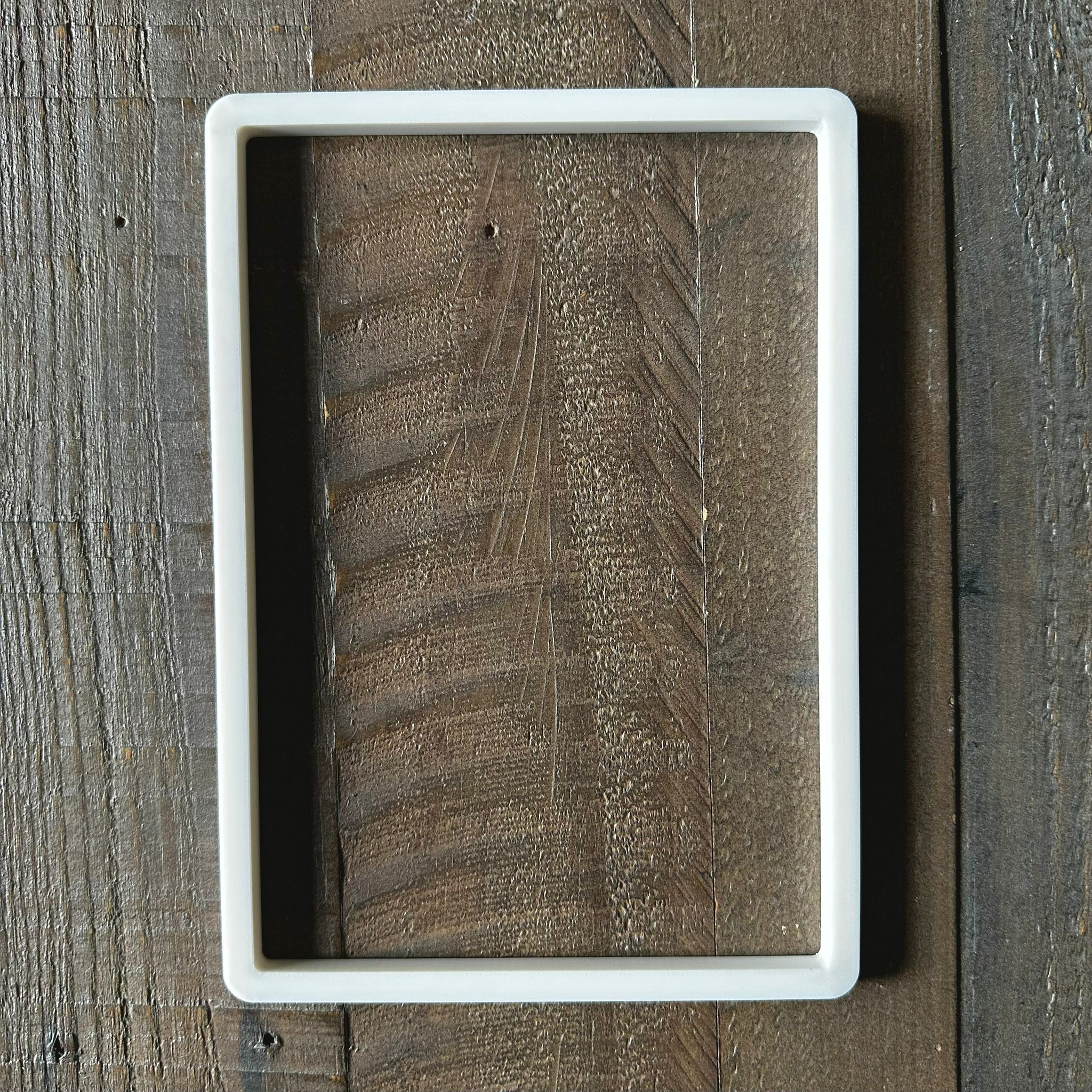
Accuracy is key to a perfect fit. To design your frame, you need two key measurements. First, measure the depth required. This is the distance from the front flange of the electrical backbox to the finished wall surface. It is crucial to measure this accurately to ensure a flush finish. Second, identify the gang configuration and the outer dimensions of your faceplate. This ensures the frame provides a perfect seating for the plate without being visible. For detailed guidance on getting your measurements right, our article What Size Socket Spacer Do I Need? is an essential resource.
Step 2: Customising the Frame Features
Once you have your dimensions, the customisation process is straightforward. You can select the most appropriate colour to complement the faceplate or the wall finish, helping the frame to blend in discreetly. You can then choose the precise thickness (depth) needed for your unique architectural requirements. After finalising the design, you can place your order for national UK delivery. The part is then manufactured to your exact specifications and dispatched, ready to solve your installation challenge.
Why Bespoke Frames are the Professional Choice
In a competitive market, professionalism is defined by the quality of the finish. Using custom-made components demonstrates a commitment to excellence and a refusal to compromise on safety or aesthetics. Bespoke large extension frames are not just a convenience; they are a hallmark of a high-quality installation.
- Bespoke large extension frames offer a level of precision that makeshift solutions like stacked washers or cut-up plastic simply cannot match.
- They provide a safer, more stable, and fully compliant environment for electrical connections, protecting against loose wiring and potential hazards.
- Using professional, purpose-built parts reflects well on the tradesperson and satisfies discerning clients who expect a flawless finish.
- The cost-effectiveness of a 'right first time' approach far outweighs the time and expense of return visits to fix loose or poorly fitted sockets.
The Aesthetic Advantage for High-End Interiors
In luxury homes and commercial spaces, every detail is scrutinised. A custom frame preserves the integrity of expensive wallpaper, delicate panelling, or polished stone by creating a clean, defined edge for the socket to sit against. It completely eliminates the unsightly 'shadow gap' often seen with poorly fitted sockets, where the faceplate hovers away from the wall. This attention to detail is what clients pay for and is a key differentiator for professional electricians. To learn more about the visual and practical benefits, explore our guide on the top 10 benefits of custom fit plug socket extension frames.
The Future of Bespoke Electrical Accessories
The electrical trade is evolving. Technologies like 3D printing and digital manufacturing are making custom solutions more accessible and affordable than ever before. As homes become smarter and electrical installations more complex, the need for bespoke components will only grow. The move towards multi-functional wall plates that combine power, data, and smart controls demands a new approach to installation. The old methods of making do with off-the-shelf parts are no longer sufficient. The approach taken by SocketSpacers.com, offering made-to-order solutions through an easy-to-use online tool like the Build My Spacer configurator, represents the new standard for excellence and precision in the electrical industry.
Frequently Asked Questions (FAQs)
What is the largest gang size you can manufacture for an extension frame?
Our online configurator tool supports up to six-gang configurations as standard. However, we can often accommodate larger or more complex custom designs. Please contact us with your specific project requirements if you need a size that is not listed.
Can these bespoke frames be used with metal faceplates from any brand?
Yes. Our frames are designed based on the dimensions you provide. They are compatible with all standard UK faceplates, whether plastic or metal, from any manufacturer, as long as the measurements are entered correctly during the design process.
How do I measure the depth needed for a recessed socket after tiling?
To find the correct depth, measure from the front edge of the metal backbox (the part with the screw lugs) to the face of the finished wall surface (e.g., the front of the tile). This measurement is the depth you need for your extension frame to bring the socket flush.
Are bespoke large extension frames compliant with UK electrical safety regulations?
Our frames are designed to facilitate a compliant installation. By providing a secure, stable, and non-conductive extension, they help ensure the final fitting meets the requirements of UK electrical standards, such as BS 7671, which mandates the secure mounting of all accessories.
What is the typical lead time for a custom-made extension frame?
Lead times can vary depending on the complexity of the design and current order volumes. However, as a specialist UK manufacturer, we pride ourselves on a rapid turnaround. Typical lead times are displayed on our website at the time of ordering.
Do you offer different colours to match my socket or wall?
Yes, we offer a selection of standard colours, including white, black, and grey, to help the frame blend in with the most common faceplate and wall colours for a discreet, professional finish.
Can these frames provide extra space for smart home modules like Sonoff or Shelly?
Absolutely. This is one of the key benefits of our extension frames. By selecting the appropriate depth, you can create the necessary extra wiring space behind the faceplate to comfortably house bulky smart home modules, dimmers, and other components.
Do I need longer screws when using a large extension frame?
Yes, you will need longer faceplate screws. The required length will be the standard screw length (typically 25mm or 40mm) plus the depth of the extension frame you have ordered. For example, if you use a 20mm deep frame with a socket that normally needs 25mm screws, you will now need 45mm screws.
Electrical Safety
Always isolate the circuit and confirm it is dead before removing a socket or switch faceplate. Only carry out the work if you are competent to do so. If you find damaged wiring, signs of overheating or anything unsafe, stop and contact a qualified electrician.