
Table of Contents
- Understanding the Problem of Sunken Sockets in UK Homes
- Why Generic Off-the-Shelf Spacers Often Fail to Deliver
- The Technical Benefits of Bespoke UK Socket Spacers
- How to Measure for Your Custom UK Socket Spacers
- Achieving a Professional Finish with SocketSpacers.com
Understanding the Problem of Sunken Sockets in UK Homes
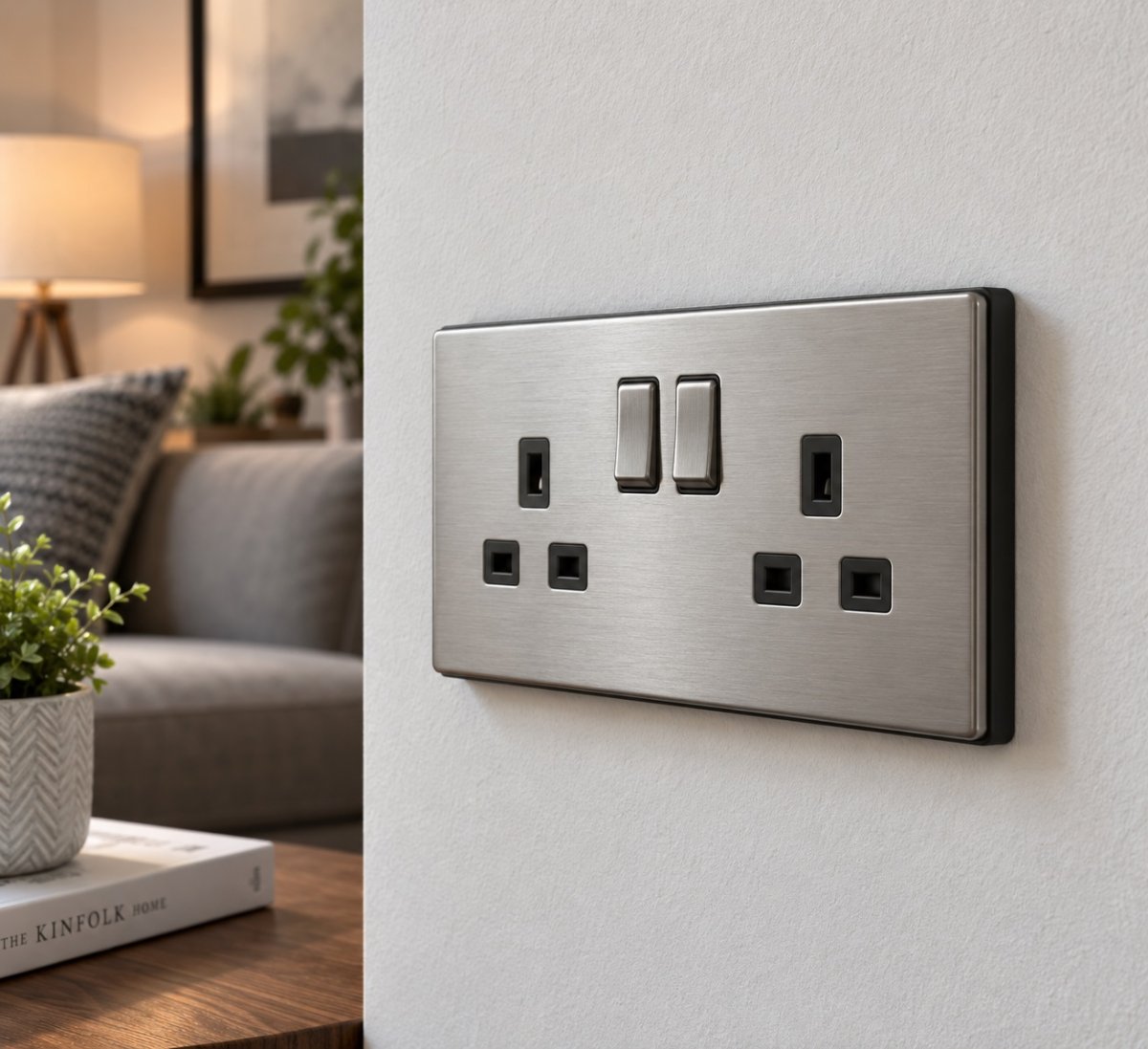
A high quality renovation project can be instantly undermined by a small but glaring imperfection: the sunken electrical socket. When a switch or socket faceplate sits recessed into the wall instead of flush with the surface, it creates an unprofessional finish that detracts from otherwise meticulous work. This common issue often arises after renovations that add thickness to a wall, such as new plastering, kitchen tiling, or the installation of decorative panelling.
A UK socket spacer is a precision engineered plate designed to solve this exact problem. It sits discreetly between the electrical backbox in the wall and the socket faceplate, effectively extending the backbox forward to meet the new wall surface. This provides a solid, level foundation for the faceplate, ensuring a perfectly flush and secure fit. For homeowners and tradespeople who encounter these installation frustrations, a bespoke spacer is the definitive solution. You can specify the exact dimensions you need using our Build My Spacer configurator tool, eliminating guesswork and achieving a flawless result.
The Functional Role of a Socket Spacer Plate
The primary function of a socket spacer is to bridge the gap created between a sunken metal or plastic backbox and the decorative faceplate. When a wall surface is built up, the backbox remains at its original depth, leaving the faceplate screws with nothing to pull against. This can cause several problems:
- Bowing and Cracking: Without a solid surface to mount against, tightening the screws can cause the faceplate to bend, bow, or even crack under pressure. This is particularly common with brittle or premium metal faceplates.
- Insecure Fittings: A socket that is not firmly secured can move when plugs are inserted or removed, potentially straining the electrical wiring and creating a safety hazard.
- Aesthetic Gaps: The visible void behind the faceplate looks untidy and allows dust and debris to accumulate around the electrical connections.
A correctly sized spacer provides a solid, continuous surface that supports the entire rear of the faceplate, resolving these issues. Choosing the correct gang size, whether for a standard single (1-gang) or double (2-gang) UK fitting, is crucial for ensuring complete support and proper alignment.

Common Scenarios Requiring Extension Frames
Sunken sockets are a frequent challenge in many modern interior design projects. Some of the most common scenarios that call for a bespoke socket spacer include:
- Kitchen Splashbacks: When tiles are installed on a kitchen wall, they can add anywhere from 5mm to 15mm of depth. A standard backbox will be left significantly recessed, making a custom depth spacer essential for a flush finish.
- Acoustic Slat Walls: This popular design trend involves fitting wooden slats over an existing wall, often adding 20mm or more of depth. A deep, custom extension frame is the only way to bring the socket forward cleanly through the panelling.
- Plasterboard Repairs and Skimming: Even a fresh skim of plaster can add 2mm to 4mm to a wall's thickness. This small difference is enough to prevent a faceplate from sitting correctly, requiring a thin, precision made spacer to compensate.
Why Generic Off-the-Shelf Spacers Often Fail to Deliver
When faced with a sunken socket, the first instinct might be to visit a large hardware store for a solution. However, the generic, off-the-shelf spacers available are often a poor compromise. The most common size offered is a standard 10mm depth, which is rarely the exact measurement needed. If your gap is 6mm, a 10mm spacer will make the socket protrude from the wall; if the gap is 12mm, it will still be recessed.
Material quality is another significant concern. Mass produced spacers are typically made from cheap, brittle plastic that can crack during installation and may not match the quality of your chosen electrical fittings. Furthermore, they are almost exclusively available in a standard white, which clashes with the growing popularity of black, grey, and anthracite sockets. Some installers resort to using a stack of washers or makeshift plastic "shims" as an alternative, but this is a structurally weak and potentially unsafe practice. A full frame spacer provides uniform support that washers simply cannot replicate, preventing faceplate distortion and ensuring a secure, professional installation. For a detailed comparison, see our guide on professional spacers versus DIY shims.
Bespoke vs. Standard: A Comparison
The difference between a bespoke spacer and a generic one is immediately apparent in the final finish. Imagine a 6mm gap created by new wall tiles. A generic 10mm spacer will force the socket to sit 4mm proud of the wall, creating a clumsy, stepped effect. In contrast, a custom 6mm spacer allows the faceplate to sit perfectly flush, as if the backbox was installed correctly from the start.
Key structural differences also play a vital role:
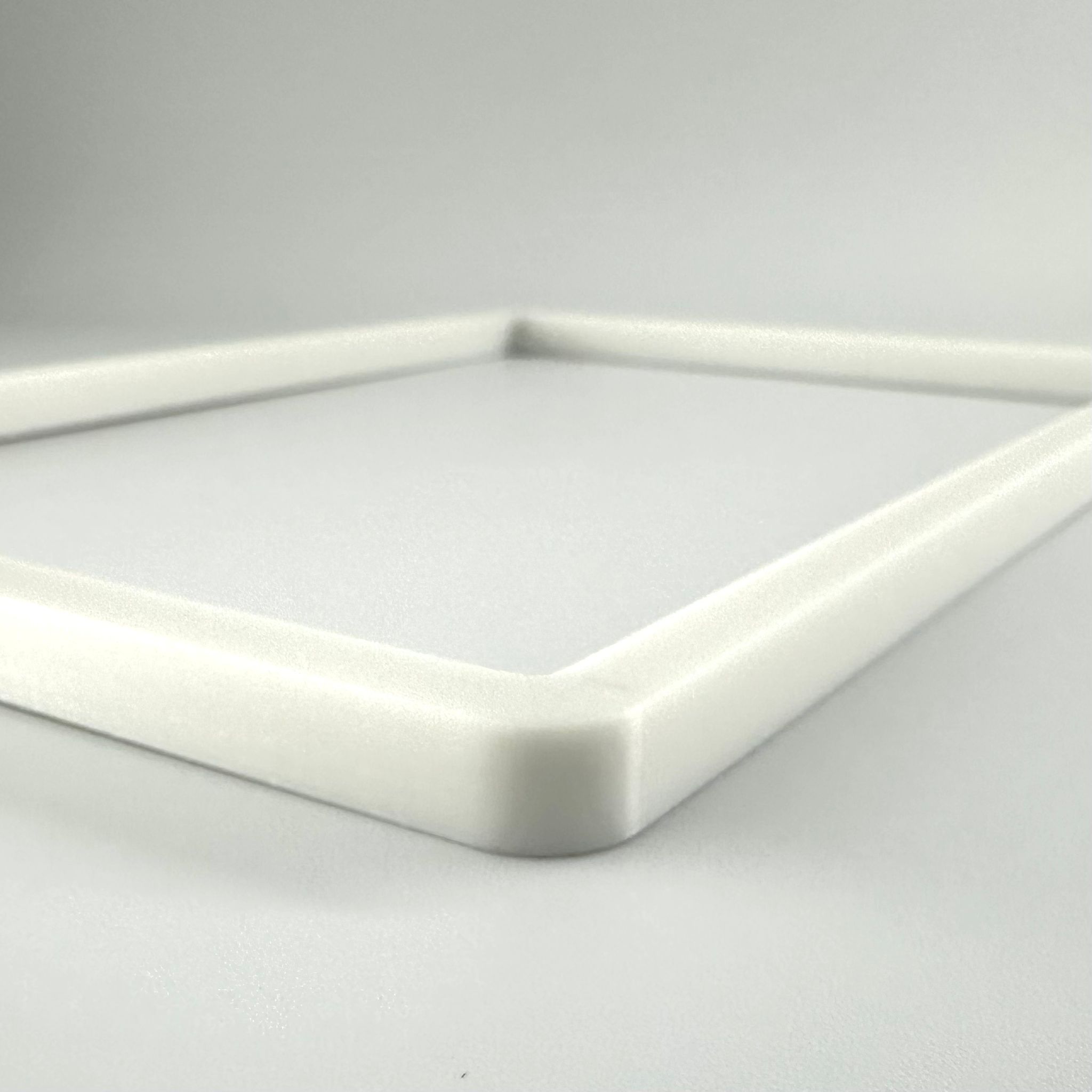
- Structural Form: A bespoke spacer is a full, rigid frame that supports the entire perimeter of the faceplate. This is far superior to individual screw spacers or shims, which only provide support at the fixing points and allow the rest of the plate to flex.
- Lug Alignment: Our spacers are designed with precise cutouts that align perfectly with the lugs of standard UK backboxes, ensuring a stable and non-slip fit.
- Corner Radius: Luxury and designer faceplates often have a unique corner radius. Bespoke spacers can be manufactured to match these dimensions, ensuring no part of the spacer is visible after installation.
The Aesthetic Advantage of Precision Sizing
In high specification residential and commercial projects, every detail matters. A bespoke UK socket spacer eliminates the unsightly shadow gap that appears behind a faceplate when it is not flush with the wall. This clean, seamless integration is a hallmark of professional quality workmanship and is why discerning electricians and interior designers prefer custom parts.
By specifying the exact thickness required, from as little as 2mm up to 20mm and beyond, you guarantee that the final appearance is intentional and polished. This level of precision is particularly important for multi gang installations, where even a slight discrepancy in depth can make a row of switches look misaligned. Whether you need a simple single gang spacer or more complex custom double gang socket spacers, a made to measure solution is the only way to achieve a truly professional aesthetic.
The Technical Benefits of Bespoke UK Socket Spacers
Beyond the obvious aesthetic improvements, bespoke socket spacers offer significant technical and safety advantages. In addition to bringing sunken sockets flush with the finished wall, they are frequently used to increase the available wiring space behind a faceplate. This makes them a practical solution to common installation challenges, particularly with the rise of modern smart home technology and the need for more complex wiring behind the faceplate.
A key benefit is the structural integrity they provide. When a faceplate is tightened into a void, it is only supported by two long screws. This can lead to the dreaded "crunch" of a cracking faceplate if overtightened. A solid spacer provides a firm backing, distributing the pressure evenly and preventing damage. This precision also ensures that multi gang switches sit perfectly level, aligning with other wall features and contributing to a harmonious overall design. For non standard fittings, such as those found on luxury faceplates, bespoke spacers can even be designed with custom corner radii for an invisible fit.
Solving the Overcrowded Backbox Issue
The increasing popularity of smart switches, USB sockets, and dimmer modules has created a new challenge: finding enough space for the extra components and wiring inside a standard backbox. These modern devices are often much deeper than traditional switches, making them difficult or impossible to fit into shallow backboxes, which are common in UK homes.
A socket spacer provides a simple and effective solution. By adding a 5mm, 10mm, or even 15mm spacer, you create valuable extra depth behind the faceplate without having to replace the backbox itself. This additional clearance makes it far easier to accommodate bulky smart home modules and manage wiring safely, preventing crushed cables and poor connections. This approach saves the time, cost, and mess of chiselling out the wall to install a deeper backbox. For a more in depth look at this topic, read our guide on managing plug socket wiring space.
Safety and Compliance Considerations
A properly installed electrical fitting is crucial for home safety. Bespoke socket spacers contribute to a safer installation in several important ways:
- Material Safety: Our spacers are manufactured from flame retardant ABS plastic. This material is self extinguishing and designed not to contribute to the spread of a fire, providing an essential layer of safety within the wall cavity.
- Dust and Debris Prevention: A full frame spacer seals the gap between the faceplate and the backbox, preventing dust, plaster debris, and other contaminants from entering the enclosure and potentially interfering with the electrical connections.
- Full Screw Engagement: Spacers allow you to use the appropriate length screws that can fully engage with the threads in the backbox lug. Using excessively long screws to bridge a large gap can result in a weak fixing that may loosen over time.
Whilst a socket spacer is a functional component that greatly enhances the safety and quality of an installation, it is important to remember that all electrical work should be carried out in accordance with UK wiring regulations and safe practices.
How to Measure for Your Custom UK Socket Spacers
Ordering a made to measure spacer is a straightforward process that begins with one simple measurement. To ensure a perfect fit, you need to determine the exact depth of the recess between the front edge of the backbox and the finished wall surface.
Here is a simple step by step guide:
- Turn Off the Power: Before you begin, always isolate the circuit you are working on at the consumer unit (fuse box) to ensure your safety.
- Remove the Faceplate: Carefully unscrew the existing socket or switch faceplate and gently pull it away from the wall.
- Measure the Gap: Take a ruler or depth gauge and place its end flat against the front edge of the metal or plastic backbox lug (the part with the screw thread). Measure the distance from this point to the outer surface of the finished wall (e.g., the face of the tile or plaster). This measurement is the thickness of the spacer you require.
- Identify the Gang Size: Note whether you are working with a single (1-gang) or double (2-gang) socket. For larger installations with three or more switches in a line, you will need a multi gang spacer.
Once you have your exact measurements, you can enter them directly into our Build My Spacer tool to order a part that is precision made for your specific needs. For more detailed instructions, our precision measurement guide offers further advice.
Measuring for Tiled and Panelled Walls
Measuring for spacers on walls with textured or thick finishes requires careful attention. For walls that are already tiled, follow the steps above, ensuring your ruler is held perpendicular to the wall to get an accurate reading from the backbox to the tile face. If you are planning a new tiling project, you can measure the thickness of your chosen tile and the adhesive bed (typically 2-3mm) and order your spacers in advance.
Decorative wood panelling and modern acoustic slat walls present a similar challenge. It is essential to measure from the backbox to the final finished surface of the wood. In some cases, adding 1mm to your final measurement can provide a slightly tighter "compression" fit, ensuring the faceplate sits snugly against the panel without any gaps. For expert advice on this specific application, consult our complete guide to fitting sockets on panelled walls.
Choosing the Right Colour and Finish
To achieve a truly seamless look, the colour of your spacer should complement your electrical fittings and decor. Whilst a spacer is designed to be minimally visible, its edge may be seen from certain angles. We offer a range of colours to ensure the best possible match:
- White: The most popular choice, white spacers blend in perfectly with standard white plastic faceplates and are ideal for traditional plastered walls painted in light colours.
- Black: A black spacer is the perfect partner for modern black, anthracite, or dark grey sockets. It helps to create a monolithic look, avoiding a distracting white line around the fitting.
- Grey: For brushed chrome, stainless steel, or grey plastic sockets, a grey spacer provides a neutral and unobtrusive transition to the wall.
Achieving a Professional Finish with SocketSpacers.com
Choosing a bespoke, UK based manufacturer for your electrical accessories is the key to resolving sunken socket frustrations permanently. We provide a specialist service for tradespeople and DIY enthusiasts who value precision, quality, and a perfect finish. Our simple and intuitive ordering process, centred around the Build My Spacer configurator, allows you to specify the exact size, colour, and gang configuration you need in seconds.
Our commitment to "Made in the UK" ensures exceptional quality control, reliable material standards, and fast shipping times. You are not buying a mass produced item from overseas; you are ordering a custom component manufactured specifically for your project. But do not just take our word for it; you can view customer reviews to see real world examples of how our spacers have helped others achieve a professional finish.
The Bespoke Manufacturing Process
Every socket spacer we produce is made to order, guaranteeing the highest level of precision. Using advanced manufacturing techniques, we can create spacers to any thickness between 2mm and 20mm (and often beyond for special projects) with tight tolerances. This bespoke approach means we are not limited to standard shapes and sizes.
We have the capability to produce custom multi gang spacers for unique switch combinations or non standard extension frames for large commercial or industrial applications. If you have a unique architectural need or an unusual fitting, we can work with you to design and manufacture a solution that meets your exact specifications.
Why Tradespeople Trust SocketSpacers.com
For professional electricians, time is money. Arriving on site to find that a newly plastered or tiled wall has left all the backboxes recessed can cause significant delays and frustration. Having a reliable, go to source for "problem solver" parts is invaluable. Our spacers are designed to save hours of remedial work, such as cutting out and repositioning backboxes on a finished wall.
Using a bespoke spacer demonstrates a commitment to quality and attention to detail that clients appreciate. It is the difference between a job that is "done" and a job that is done right. If you are ready to eliminate the problem of sunken sockets for good, we invite you to browse the full range of socket spacers and discover how a simple, precision engineered component can elevate the quality of your work.
Electrical Safety
Always isolate the circuit and confirm it is dead before removing a socket or switch faceplate. Only carry out the work if you are competent to do so. If you find damaged wiring, signs of overheating or anything unsafe, stop and contact a qualified electrician.