
Table of Contents
- Achieving a Flush Finish with Custom Socket Spacers in the UK
- The Technical Advantages of Bespoke Electrical Extension Frames
- Comparing Professional Bespoke Spacers and Generic DIY Solutions
- How to Specify Your Custom Single or Double Gang Spacer
- Why SocketSpacers.com is the Choice for UK Trades and Homeowners
Achieving a Flush Finish with Custom Socket Spacers in the UK
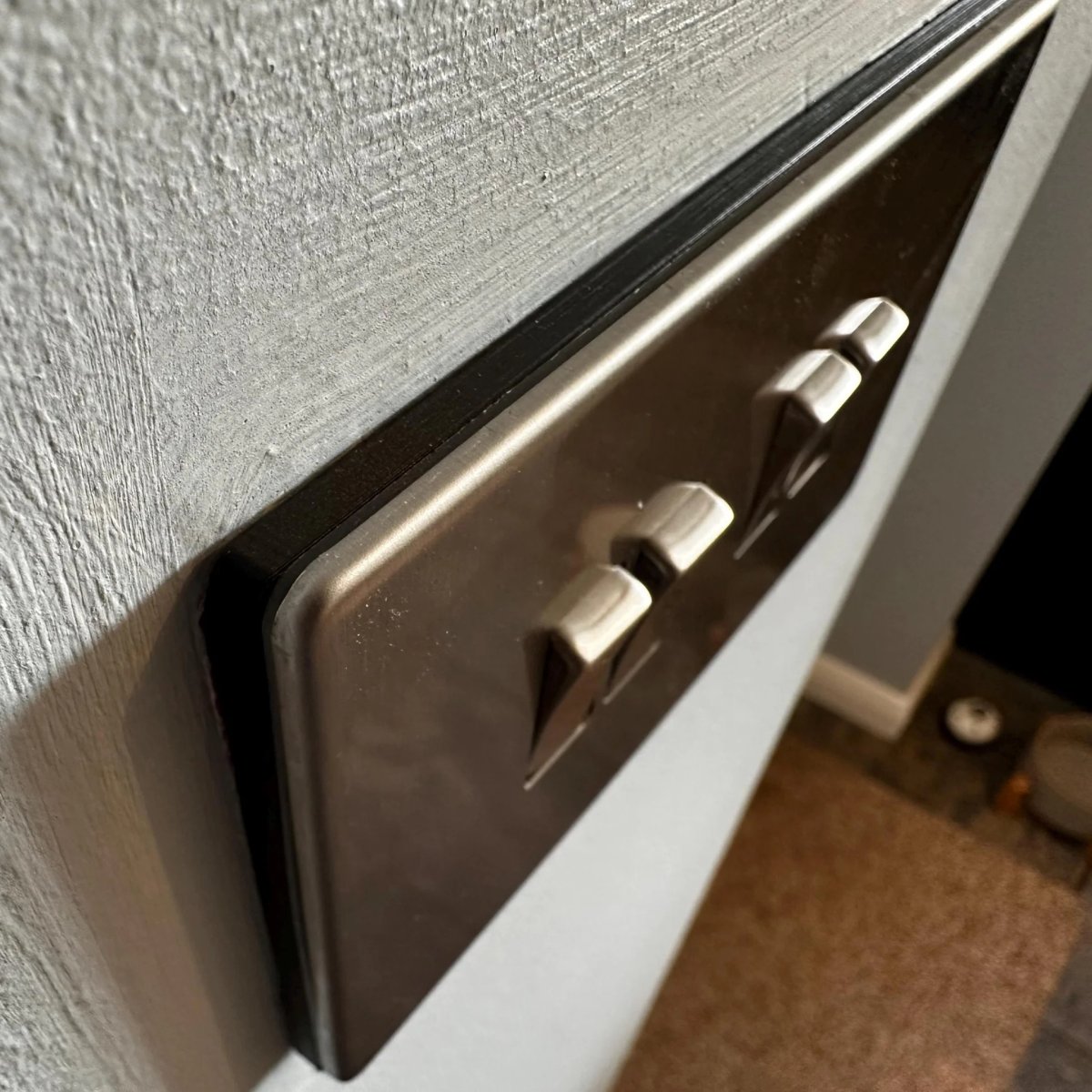
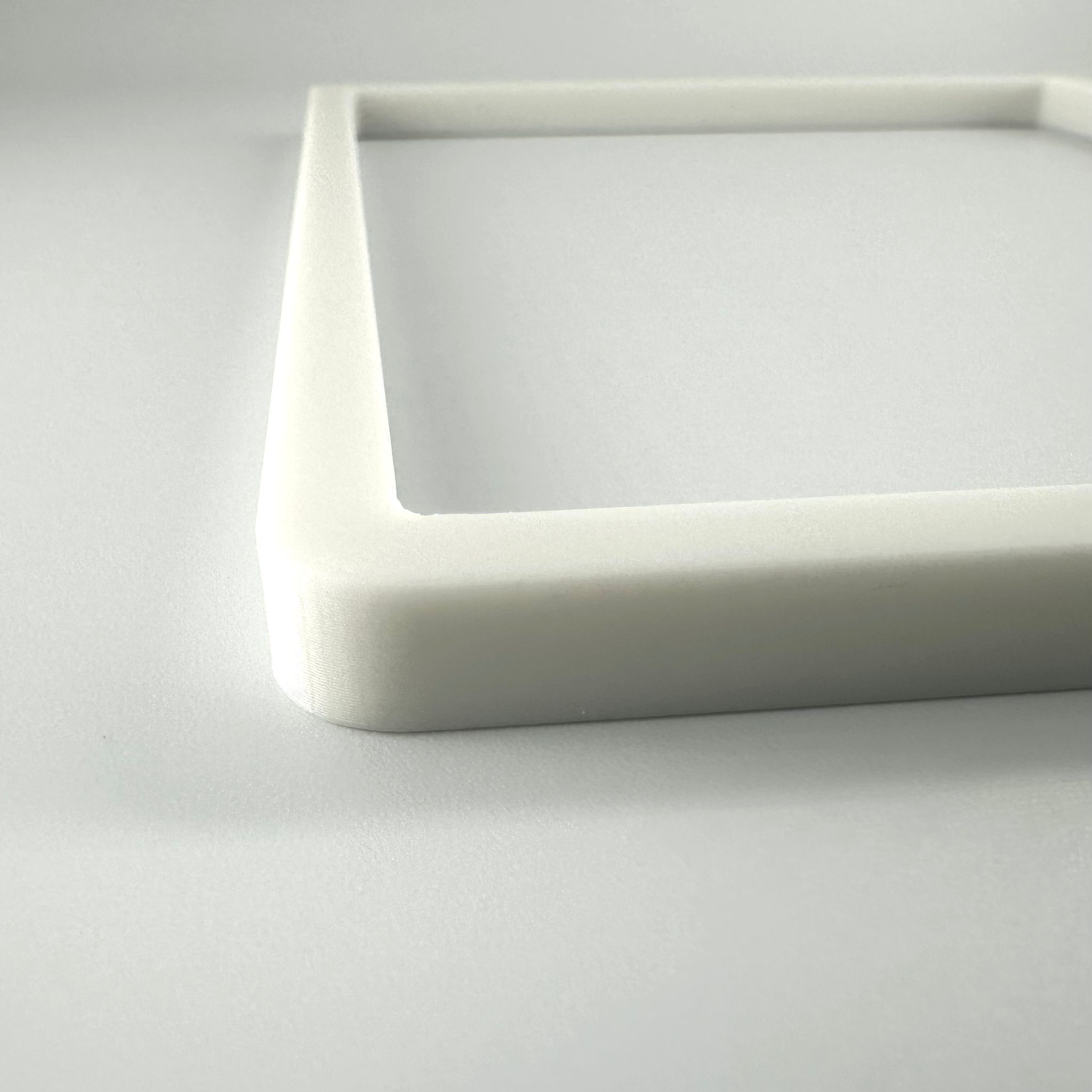
In any UK home renovation or redecoration project, the final details determine the quality of the finish. One of the most common frustrations is an electrical socket or light switch that sits recessed into the wall, creating an unsightly gap and a potentially unsafe fitting. A custom socket spacer, also known as a bespoke extension frame, is a precision-engineered component designed to solve this exact problem. It fits perfectly between the wall and the electrical faceplate, bridging the gap left by a sunken backbox.
Standard, off-the-shelf spacers often fail to meet the specific needs of UK properties. After new tiling, plastering, or wall panelling, the gap created is rarely a standard size like 5mm or 10mm. This is where a bespoke solution becomes essential. By providing a solid, stable, and perfectly sized extension, a custom spacer ensures a flush, professional finish that generic products cannot replicate. Our online configurator tool allows you to specify the exact dimensions you need for an immediate, made-to-measure solution. You can build my spacer and order the precise component required for your project.
Common Scenarios Requiring Bespoke Spacers
The need for a custom socket spacer in the UK often arises from common home improvement activities that alter wall depth. Recognising these scenarios helps in planning for a clean, professional electrical finish from the outset.
- Fixing recessed sockets after kitchen or bathroom tiling: Tiles and adhesive can add anywhere from 8mm to 15mm of depth to a wall, causing existing backboxes to become deeply recessed. A custom spacer is the only way to bring the socket forward to sit perfectly flush with the new tile surface.
- Managing wall depth changes following heavy plastering or dry lining: A fresh skim of plaster or the addition of plasterboard can easily sink a backbox. A bespoke spacer provides the exact extension needed to compensate for this new depth, avoiding the instability of floating sockets.
- Installing electrical fittings on decorative wall panelling or cladding: Feature walls with wood panelling, shiplap, or other decorative cladding are popular in modern UK interiors. These materials create non-standard depths that require a precisely measured spacer to ensure the socket faceplate is mounted securely and looks integrated with the design.
The Aesthetic and Functional Importance of a Flush Fit
Achieving a flush fit is about more than just appearances; it is a critical aspect of a safe and functional electrical installation. A correctly fitted socket spacer delivers tangible benefits that protect your home and enhance usability.
- Eliminating unsightly gaps between the wall and the socket faceplate: Gaps are visually jarring and can accumulate dust and debris. A custom spacer creates a seamless transition from the wall to the faceplate, contributing to a high-end, polished look.
- Ensuring switches operate correctly without mechanical interference from the wall: When a switch is recessed, the surrounding wall material can obstruct the rocker mechanism, preventing it from functioning properly. A spacer ensures the switch has adequate clearance to operate smoothly.
- Providing a stable foundation for heavy-duty plug use: A socket that is not firmly supported can flex or move when plugs are inserted or removed. This strain can damage the wiring connections over time. A solid, single-piece spacer provides a rigid foundation, ensuring the socket remains secure.
The Technical Advantages of Bespoke Electrical Extension Frames
Beyond aesthetics, a custom-manufactured socket spacer offers significant technical and safety advantages over makeshift solutions. These frames are engineered to enhance the safety, compliance, and longevity of your electrical installations, particularly in modern homes with complex wiring needs.
- How custom spacers provide essential wiring space for smart home upgrades: Smart switches and sockets often contain bulkier electronics than their traditional counterparts. A bespoke spacer can be specified to add the necessary depth, creating crucial extra room behind the faceplate to accommodate wiring without dangerous compression.
- Maintaining the integrity of the electrical enclosure in accordance with UK standards: Electrical regulations require wiring connections to be housed within a suitable enclosure. A spacer effectively extends the backbox, ensuring the entire fitting remains enclosed, protected, and compliant with safety standards.
- The benefits of using high-quality bespoke plastic over stacked washers or shims: Improvised solutions like stacking washers or using plastic shims can create instability and uneven pressure on the faceplate, leading to cracks. A single, solid spacer distributes the load evenly for a secure and durable fit.
- Precision manufacturing to match standard UK gang sizes and screw hole alignments: Our spacers are manufactured to precise tolerances, ensuring perfect alignment with the screw holes on standard UK single, double, and multi-gang backboxes and faceplates.
Managing Overcrowded Backboxes Safely
An overcrowded backbox is a common and dangerous issue, especially with the rise of smart home technology. Forcing too many cables into a shallow box can lead to damaged insulation, loose connections, and an increased risk of electrical faults or fire.
- Why modern smart switches require more depth than traditional fittings: The internal components of smart devices, such as Wi-Fi modules and processors, take up considerable space. A custom spacer is often the most practical solution for retrofitting these devices into existing backboxes.
- How a custom spacer prevents cable crushing and heat build-up: By creating additional volume, a spacer allows wires to sit comfortably without being crushed or bent at sharp angles. This also improves air circulation, helping to dissipate heat generated by the device and its connections.
- The importance of maintaining accessible terminals for future maintenance: A well-organised backbox with adequate space makes future inspections, testing, or replacements far easier and safer for electricians. For more information on creating safe wiring space, see our guide on how to achieve increased wiring space behind sockets safely.
Durability and Material Specifications
The material used to manufacture a socket spacer is critical to its performance and safety. We have selected materials that offer superior stability, longevity, and, most importantly, compliance with safety standards, setting our products apart from generic alternatives.
- Using fire retardant ABS for enhanced safety: All our custom socket spacers are manufactured from fire retardant Acrylonitrile Butadiene Styrene (ABS). This material is specifically chosen for its self-extinguishing properties, which significantly reduces the risk of fire propagation in the event of an electrical fault. This makes our spacers a much safer choice than competitors' products made from standard, non-retardant plastics.
- The advantage of solid-wall construction in custom spacers for stability: Our spacers are not hollow or flimsy. They feature a solid-wall construction that withstands the pressure of tightened socket screws without cracking or deforming, providing a rock-solid mount for the faceplate.
- Ensuring the spacer material matches the environment, such as high-traffic kitchen areas: The durable ABS material is resilient and easy to clean, making it suitable for any environment, including busy kitchens or commercial spaces where durability is paramount.

Comparing Professional Bespoke Spacers and Generic DIY Solutions
When faced with a sunken socket, many are tempted to reach for a quick fix, such as stacking multiple thin spacers or using homemade shims. However, these DIY solutions often introduce more problems than they solve, compromising on finish, safety, and long-term stability.
- Analysis of why stacking multiple thin spacers leads to a poor finish: Aligning several thin spacers perfectly is nearly impossible. This often results in a wobbly, uneven installation where the faceplate does not sit flat, creating visible gaps and a cheap appearance.
- The hidden costs of DIY shims in terms of time and safety: Cutting your own shims is time-consuming and rarely produces an accurate result. More importantly, using non-compliant materials can compromise the electrical enclosure and create a potential safety hazard.
- Comparing the structural rigidity of a single bespoke frame versus makeshift extensions: A single, custom-milled spacer provides uniform support across the entire back of the faceplate. Stacked parts or washers create pressure points that can lead to the faceplate cracking over time, especially with frequent use.
- How professional contractors use custom spacers to speed up project completion: For electricians and builders, time is money. A bespoke spacer guarantees a perfect fit first time, every time. This eliminates the need for fiddly adjustments and ensures a high-quality result that meets client expectations and professional standards.
Bespoke Manufacturing vs Standard Off-the-Shelf
The fundamental limitation of off-the-shelf products is their lack of precision. Electrical installations, especially in renovated properties, rarely conform to standard measurements, making bespoke manufacturing the only reliable option.
- The limitation of standard 10mm or 15mm fixed-depth spacers: If your wall requires a 12mm spacer, a 10mm product will still leave a gap, and a 15mm one will not fit. This compromise is unnecessary when a made-to-measure solution is available.
- Why a 12mm requirement cannot be solved by a 10mm product: Attempting to bridge the remaining 2mm gap by overtightening the screws puts immense stress on the faceplate, risking cracks and creating a "floating" socket that is not securely mounted against a solid surface.
- Internal link: For a deeper dive into this comparison, read our detailed analysis: Professional Socket Spacer vs DIY Shim.
Achieving a Seamless Match with Existing Decor
A professional finish is one where functional components blend seamlessly into the surrounding decor. Custom spacers can be tailored not just in depth but also in aesthetic details to complement your interior design choices.
- Selecting colours like black, white, or grey to match faceplate styles: We offer a range of neutral colours to ensure the spacer does not stand out against the faceplate or the wall, maintaining a cohesive and intentional look.
- The importance of corner radius matching for a truly integrated look: Electrical faceplates come with different corner styles, from sharp right angles to soft curves. Our configurator allows you to specify the corner radius for a perfect match, making the spacer look like an integral part of the socket itself.
- Why custom-fit frames are preferred for high-end interior design projects: In luxury and design-led projects, every detail matters. Custom-fit spacers ensure that practical electrical requirements do not compromise the overall aesthetic, delivering the flawless finish that clients expect.
How to Specify Your Custom Single or Double Gang Spacer
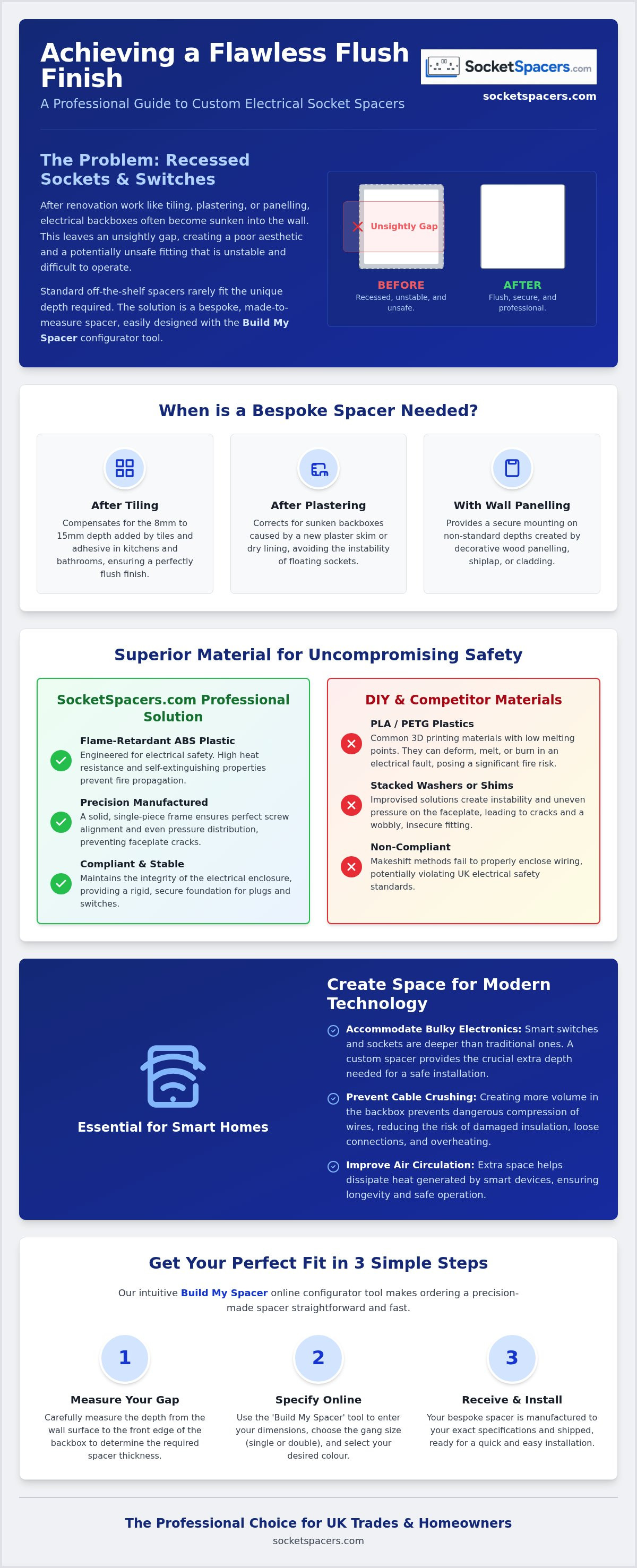
Ordering a perfectly fitting custom socket spacer is a straightforward process. By taking a few careful measurements, you can ensure the component you receive is manufactured to your exact requirements. The key is to measure the gap accurately and consider all dimensions of the faceplate.
- Step-by-step guide to measuring the gap between the backbox and the wall surface: Measure the distance from the front edge of the wall (e.g., the tile or plaster surface) to the front edge of the sunken backbox. This measurement is the required thickness for your spacer.
- Using the Build My Spacer tool to input exact dimensions: Our online configurator guides you through each step, allowing you to input the thickness, gang size, colour, corner radius, and any other custom features required for your installation.
- Understanding gang sizes: single, double, and multi-gang requirements: We provide spacers for all standard UK sizes, including single (1 gang), double (2 gang), and larger multi-gang configurations for more complex switch or socket layouts.
- Tips for choosing the correct corner radius for different faceplate brands: If you are unsure of the corner radius, a simple method is to place a coin against the corner. A 1p coin has a radius of roughly 1mm, a 5p coin has a 3mm radius, and a 10p coin has a 5mm radius. Match the curve to find the approximate radius needed.
Measuring for Accuracy and Safety
Accurate measurement is the foundation of a successful installation. Taking a moment to be precise will save time and ensure the final fit is both safe and aesthetically pleasing. For a comprehensive guide, explore our article on what size socket spacer do I need?
- How to use a depth gauge or ruler to find the precise millimetre requirement: For best results, use a digital calliper or a depth gauge. Alternatively, place a straight edge (like a ruler) across the hole in the wall and measure down to the front of the backbox.
- Accounting for uneven wall surfaces when selecting thickness: If your wall surface is not perfectly flat (e.g., rustic tiles or uneven plaster), measure the gap at several points around the backbox and use the smallest measurement. This ensures the spacer will sit flush without being held off the wall by a high point.
- Ensuring your socket screws are long enough to accommodate the new spacer: Standard socket screws (typically 25mm or 40mm) may not be long enough. You will need screws that are at least the length of your spacer thickness plus the standard screw length (e.g., for a 12mm spacer and a standard 25mm screw requirement, you would need M3.5 screws of at least 37mm, so a 40mm screw would be suitable).
Customising Features for Complex Installations
Some projects require more than just a standard spacer. Our manufacturing process allows for a high degree of customisation to solve unique challenges, such as those found with oversized faceplates or non-standard backboxes.
- Adjusting width and height for oversized faceplates: If you are using a larger decorative faceplate, you can specify custom external dimensions to ensure the spacer provides full support and a balanced appearance.
- Selecting fixing lugs and screw hole guides for secure mounting: For certain installations, additional features like fixing lugs can provide extra stability, ensuring the spacer and faceplate are held securely in place.
- Internal link: Learn more about the possibilities of bespoke manufacturing in our expert guide to bespoke plastic socket spacers.
Why SocketSpacers.com is the Choice for UK Trades and Homeowners
When it comes to sourcing a custom socket spacer in the UK, professionals and discerning homeowners choose SocketSpacers.com for our commitment to precision, quality, and customer-focused solutions. We are not just a supplier; we are a specialist manufacturer dedicated to solving a common but critical installation challenge.
- The benefit of UK-based bespoke manufacturing for fast delivery and quality control: Our entire manufacturing process is based in the UK, allowing us to maintain strict quality control and offer rapid turnaround times on bespoke orders.
- How the Build My Spacer configurator simplifies the ordering process: We have invested in a powerful yet simple-to-use online tool that removes the guesswork from ordering. You can specify and visualise your custom spacer in minutes, ensuring you get exactly what you need.
- Our commitment to providing solutions for unique electrical challenges: We thrive on solving problems. From extra-deep frames for media walls to unusually shaped spacers for period properties, our team is equipped to handle a wide range of custom requirements.
- Accessing bulk discounts for large-scale commercial or residential projects: We work closely with trade professionals, offering competitive pricing and scalable manufacturing for large projects, including new builds, office fit-outs, and housing developments.
From Single Orders to Bulk Trade Requirements
Our service is designed to be flexible, catering to everyone from a DIY enthusiast fixing a single socket to a large contractor outfitting an entire building. We value every order and apply the same high standards of precision and quality to all.
- Supporting independent electricians with one-off bespoke frames: We understand that many jobs require just one or two unique spacers. Our system is designed to handle single-item orders efficiently, providing a cost-effective solution for independent tradespeople.
- Scalable manufacturing for housing developments and office refurbishments: For larger projects where consistency and quality are key, our bulk manufacturing capabilities ensure every spacer meets the required specification, delivered on schedule.
- Check out our customer reviews for professional feedback: See what electricians, contractors, and homeowners have to say about the quality of our products and the effectiveness of our solutions.
The Future of Custom Electrical Fittings
We are continuously innovating to meet the evolving demands of the UK electrical industry. By embracing new technologies and expanding our product range, we aim to remain the leading resource for bespoke electrical finishes.
- Continuous improvement in 3D manufacturing techniques for better finishes: We refine our processes to produce spacers with even greater precision and a superior surface finish, ensuring they integrate perfectly with modern, high-end faceplates.
- Expanding our range to include more multi-gang and large extension frames: As electrical layouts become more complex, we are expanding our capabilities to produce larger and more intricate frames for media units, multi-appliance kitchen panels, and other custom setups.
- Visit our blog for more technical installation tips: Our blog is a growing resource of expert guides, case studies, and practical advice to help you achieve a professional finish on all your electrical projects.
Frequently Asked Questions (FAQs)
How do I measure the correct thickness for a custom socket spacer?
To get an accurate measurement, use a ruler or depth gauge to find the distance from the finished wall surface (e.g., the face of the tile or plaster) to the front edge of the metal or plastic backbox. This distance in millimetres is the thickness you need for your spacer. Measure at a few points and use the smallest value if the wall is uneven.
Are bespoke plastic socket spacers safe and compliant with UK electrical standards?
Yes, absolutely. Our spacers are designed to be fully compliant. They function as an extension of the backbox, ensuring all wiring remains safely enclosed. Crucially, we manufacture them from fire retardant ABS plastic, which offers superior safety performance compared to standard plastics that may not have self-extinguishing properties. This material choice is a key part of our commitment to safety.
Can I get a custom spacer for a multi-gang light switch or socket?
Yes. Our online configurator allows you to specify spacers for single (1 gang), double (2 gang), and a wide range of multi-gang setups. You can define the exact dimensions needed to match your specific multi-gang faceplate and backbox arrangement.
What is the difference between a socket spacer and an extension frame?
The terms are often used interchangeably. Generally, a "spacer" or "pattress spacer" refers to a frame that matches the size of a standard backbox. An "extension frame" can be a more general term that might also refer to a larger, oversized frame designed to sit behind a decorative faceplate, sometimes used to cover damage to the surrounding wall.
Do you offer custom colours to match my specific faceplate or wall colour?
We offer a standard range of colours, including white, black, and grey, which are chosen to complement the vast majority of electrical faceplates available in the UK. While we do not offer a full custom colour matching service for one-off orders, these neutral options provide a clean and discreet finish for most installations.
How long does it take to manufacture and deliver a bespoke spacer in the UK?
As a UK-based manufacturer, we pride ourselves on fast turnaround times. Most bespoke orders are manufactured and dispatched within a few working days. Exact lead times can be confirmed at the time of order, but our domestic production base ensures you receive your custom part much faster than ordering from overseas.
Will I need longer screws when fitting a custom socket spacer?
Yes, it is almost certain you will need longer screws. The new screws must be long enough to pass through the faceplate, the spacer, and securely engage with the threads in the backbox. As a rule of thumb, add the thickness of your spacer to the length of the original screws. For example, if your original screws were 25mm and your spacer is 10mm thick, you will need screws that are at least 35mm long (40mm is a common, suitable size).
Can I use these spacers for both light switches and plug sockets?
Yes. Our spacers are compatible with any standard UK electrical fitting that uses a single or double gang backbox, including light switches, 13A plug sockets, dimmer switches, fused spurs, and data outlets like Ethernet or aerial sockets.
Electrical Safety
Always isolate the circuit and confirm it is dead before removing a socket or switch faceplate. Only carry out the work if you are competent to do so. If you find damaged wiring, signs of overheating or anything unsafe, stop and contact a qualified electrician.